by admin | Oct 21, 2013 | Brand strategy, Innovation
http://www.slideshare.net/msuster/startup-exits-a-primer
by admin | Oct 18, 2013 | Brand identity, Brand strategy
Research giants Gartner and IDC recently announced that Beijing-based Lenovo Group has surpassed Hewlett-Packard in global PC sales after standing at the No. 2 spot for years. But last week, the plot thickened: Lenovo now sells more mobile devices—tablets and smartphones—than PCs, according to the company’s FY 2013/2014 Q1 earnings report. Lenovo reported $8.8 billion in revenue and $174 million in profit, a year-over-year growth rate of 10% and 23%, respectively, beating its own revenue record and exceeding analysts’ predictions. Read the International Marketing Research Report about...
by admin | Oct 16, 2013 | Brand strategy, Brand targeting & positioning
So what’s next for Pepsi Next? Airbnb, Instagram, Flavorpill and Kamio. Read more
by admin | Oct 16, 2013 | Brand strategy, Market dynamics
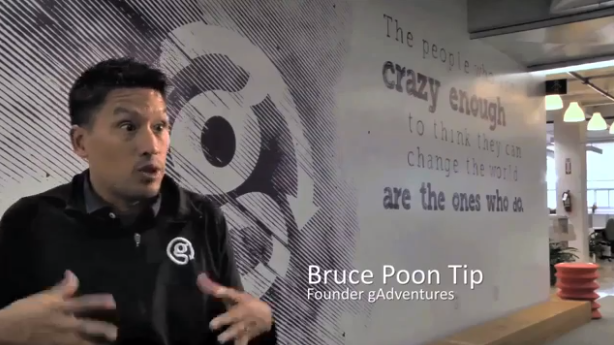
Bruce Poon Tip embodies Peter Drucker’s adage: “Culture eats strategy for breakfast.” As the founder of the Toronto-based travel company, G Adventures, Poon Tip has created a culture that has enabled him to take on larger competitors and win. Earlier this year, Bruce hired my firm to help him accelerate sales. G Adventures was already a successful brand, they’d been named by National Geographic Adventures as the best ‘Do It All Outfitter’ on Earth, they consistently win workplace awards, and Bruce had been an E & Y Entrepreneur of the year twice. Our challenge was to scale their success, and establish a consistent approach to sales around the globe. Read...

by admin | Oct 15, 2013 | Brand identity, Brand strategy
Google (GOOG) is tinkering with the ever-delicate balance between selling advertisements and creeping its users out. On Friday the company said it would begin including recommendations that Google+ users make in advertisements. The new policy kicks in on Nov. 11. Read...
by Shari Allison | May 7, 2013 | Brand strategy, Brand targeting & positioning
The essential truth is that spam is always in the eye of the recipient. If you think it’s spam, it’s spam (if you’re the recipient. If you’re the sender, your opinion is worthless.) I don’t care what the privacy policy fine print says, if someone thinks it’s spam, it is. The best definition of permission marketing used to be messages that were anticipated, personal and relevant. If this is going to be an asset of your organization (and it should be), let’s take it to the next, easily measured level: would people miss it if it didn’t arrive? Once you have people looking forward to what you have to say, no more worries about spam. You’ve built an asset worth owning....


